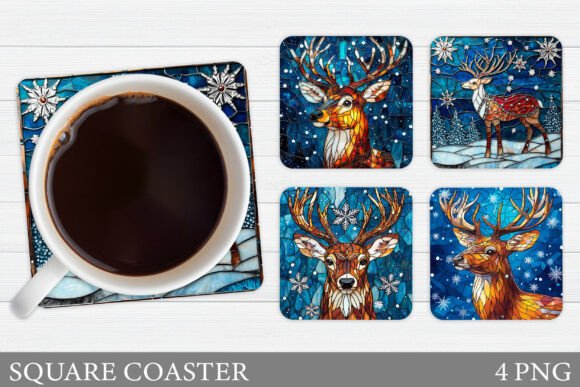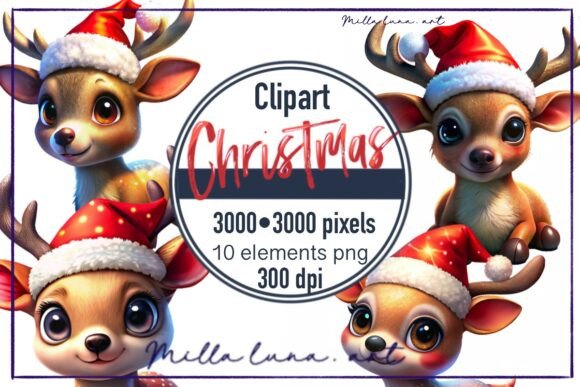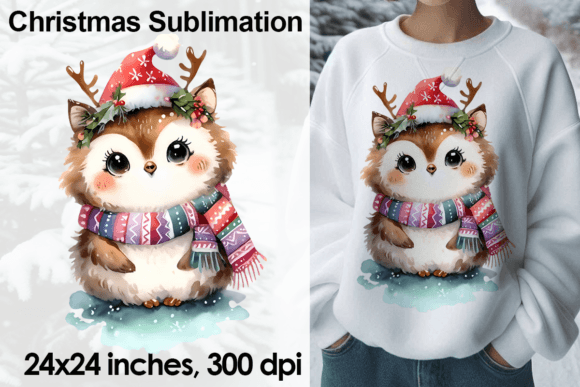
Watercolor Christmas Deer Sublimation Review
As a designer who has stitched thousands of garments and reviewed countless digital assets for my own boutique, I approach every new file with a mix of excitement and skepticism. When Watercolor Christmas Deer Sublimation landed in my inbox, I wasn't just looking at another holiday motif; I was evaluating its potential to become a best-selling item in my Etsy shop or a cherished custom gift for a client. The title alone suggests a soft, artistic vibe, but the real test lies in how that watercolor aesthetic translates from a screen to thread. After running several tests on scrap fabric and mockups, here is my honest take on whether this design deserves a spot in your embroidery project.
The First Impression: Mood and Visual Personality
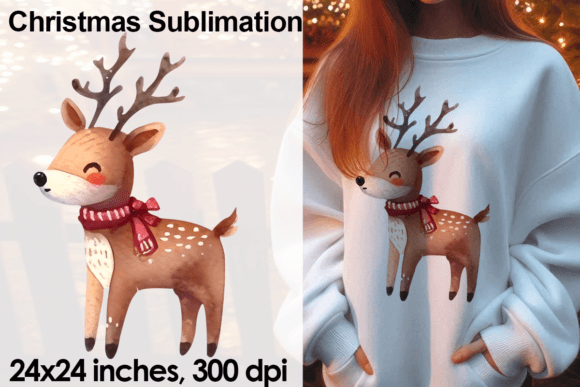
Before we even load the machine, the visual impact of Watercolor Christmas Deer Sublimation is striking. It avoids the rigid, blocky look of traditional vector art in favor of something much more organic. The mood it creates is immediately cozy, nostalgic, and inviting. Unlike harsh outlines that can feel dated, this piece relies on soft edges and blended tones that mimic the fluidity of actual paint. For a creative entrepreneur, this is gold because it elevates the perceived value of the finished product.
When you place this design on a digital mockup, it feels less like a sticker and more like a piece of art integrated into the garment. The layout is balanced, allowing for plenty of negative space which is crucial for embroidery. It naturally belongs in projects where warmth and sentimentality are key—think nursery decor, holiday gifts, or boutique branding. It isn't just an illustration; it is a statement of style that signals quality to the buyer before they even touch the fabric.
Real-World Application: From Screen to Stitch
I recently put Watercolor Christmas Deer Sublimation to the test while preparing a batch of custom embroidered tote bags for a local craft fair. My goal was to create a limited edition holiday collection that felt high-end but accessible. The challenge with any watercolor-style design is maintaining that softness without losing definition once the needle hits the fabric. In this scenario, the design performed admirably.
On a heavy cotton canvas bag, the stitch density allowed the colors to blend beautifully, creating a depth that flat printing simply cannot achieve. Customers at the fair were drawn to the texture of the thread catching the light, noting that the deer looked "alive" rather than stamped on. This same principle applies when adapting this design for sweatshirt embroidery or baby clothes. The soft curves work exceptionally well on knit fabrics, adding a gentle focal point that doesn't overwhelm the wearer.
However, the versatility extends beyond apparel. I also tested the file as an embroidered patch for a denim jacket. The clean edges held up well against the rough texture of the denim, proving that this design asset is robust enough for commercial embroidery projects. Whether you are a small business owner looking to expand your catalog or a hobbyist making personalized gifts, the adaptability of this file is one of its strongest selling points.
Navigating Technical Challenges and Limitations
No design is perfect for every situation, and being transparent about limitations is part of responsible design judgment. While Watercolor Christmas Deer Sublimation shines on stable, medium-weight fabrics, there are specific areas where caution is required. One of the primary concerns is the use of small hoop sizes. If you attempt to stitch this on a very tight surface, such as a baseball cap or a small hat brim, the intricate details might get lost in the curvature of the fabric.
Similarly, textured fabrics like bouclé or thick fleece can sometimes swallow fine lines. The subtle gradients that give the watercolor effect its charm might appear muddy if the fabric texture interferes with the stitch placement. I would advise against using this design on thin, stretchy materials without proper stabilizer, as the tension required for the fill stitches could cause the fabric to pucker, ruining the delicate aesthetic. Dark fabrics present another hurdle; while possible, they require careful thread color selection to ensure the lighter watercolor tones remain visible and don't get overshadowed by the background.
Impact on Brand Value and Customer Trust
In the world of handmade products, presentation is everything. A well-executed embroidery job does more than just decorate; it builds trust. When a customer receives a gift or purchases a boutique item featuring Watercolor Christmas Deer Sublimation, the quality of the stitching speaks volumes about the maker's attention to detail. The design's sophisticated look helps justify a higher price point, moving the product away from generic mass-market goods into the realm of artisanal luxury.
This design also enhances brand consistency. Because the style is cohesive and professional, it works seamlessly across various items—from aprons and kitchen towels to pillow covers and tea towels. If you are an Etsy seller building a cohesive shop identity, having a signature style like this allows customers to instantly recognize your work. It creates a sense of professionalism that encourages repeat business and positive reviews. The emotional connection buyers feel toward a hand-stitched deer motif often leads to strong engagement and word-of-mouth referrals.
Practical Designer Notes for Success
To get the most out of this embroidery file, you must treat it with the same care you would a physical painting. Here are some essential steps I recommend before starting your production run:
- Test on Scrap Fabric: Never go straight to your final product. Run a test on a scrap piece of the exact fabric you plan to use. This will reveal how the thread interacts with the material and if any adjustments to tension are needed.
- Check Thread Color Contrast: Since the design mimics watercolor, the thread colors need to be vibrant yet harmonious. Ensure your chosen threads have enough contrast against the fabric to maintain clarity without looking jarring.
- Review Stitch Density: Examine the density settings in your software. Too much density can make the design stiff and bulky, while too little can leave gaps. Adjust based on the fabric weight.
- Confirm Hoop Size: Verify that your embroidery machine's hoop size accommodates the design dimensions comfortably. If the design is large, consider splitting it or choosing a larger frame to avoid distortion.
- Inspect Small Details: Zoom in on the finer elements of the deer antlers and facial features. Ensure they are not so small that they disappear after stitching.
- Use Proper Stabilizer: Always match your stabilizer to the fabric. For knits, a cut-away stabilizer provides necessary support to prevent puckering during washing.
- Test in Black and White: Convert your design to grayscale to check the value contrast. If the image looks flat in black and white, it may lack the depth needed for embroidery.
- Verify Licensing: Before selling finished items or using this as a design asset in a commercial capacity, double-check the license terms provided with the download to ensure you are compliant.
Ultimately, Watercolor Christmas Deer Sublimation is a versatile and charming addition to any embroiderer's library. It bridges the gap between digital art and tactile craftsmanship, offering a unique opportunity to create meaningful, high-quality products. By understanding its strengths and respecting its technical requirements, you can turn this simple illustration into a standout feature of your next embroidery project. Whether you are crafting a one-off gift or scaling up for a holiday season rush, this design offers the reliability and beauty needed to succeed.