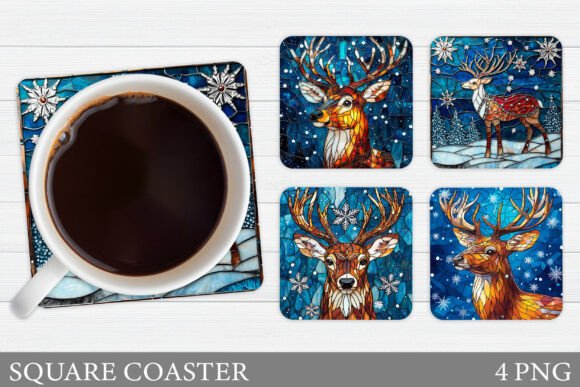
Christmas Deer Coaster Sublimation Review
As a designer who spends half my life staring at stitch maps and the other half arguing with thread tension, I don’t just buy embroidery files; I stress-test them. I look for designs that translate well from screen to fabric, designs that hold up under the scrutiny of a customer’s unboxing video, and designs that actually make sense for the end product. When Christmas Deer Coaster Sublimation landed on my desk, my first thought wasn’t about the holiday theme itself, but about its structural integrity as a machine embroidery design. Could it work? Would it look like a boutique item or a mass-produced novelty? Here is my practical breakdown after running this through my mental workflow for potential client projects and personal craft business inventory.
First Impressions and Visual Personality
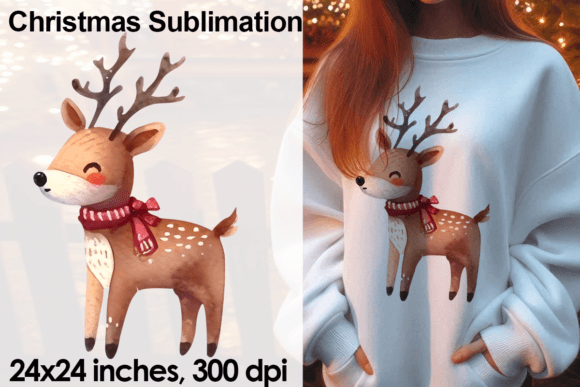
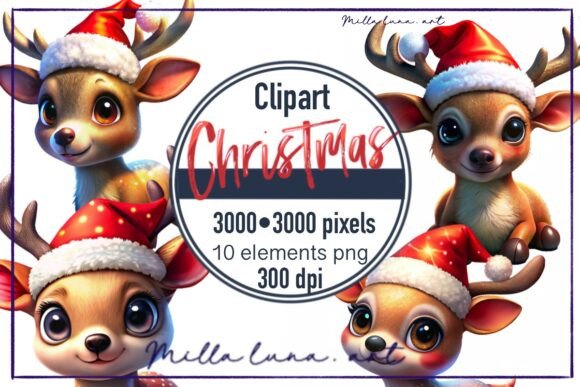
The immediate mood of this piece is cozy, rustic, and distinctly seasonal without being overwhelming. The subject matter—a deer paired with a coaster motif—suggests a narrative of winter warmth, hot cocoa, and quiet evenings. From a design perspective, the layout feels balanced. It doesn’t scream for attention; instead, it invites a closer look. This is crucial for items like aprons, tea towels, or pillow covers where the design serves as an accent rather than the entire garment.
The detail level strikes a careful balance. There are enough elements to justify the price point for a digital file, yet not so much fine line work that you risk losing clarity during the stitching process. The visual personality leans toward "handmade" and "artisanal," which aligns perfectly with the current market trends for Etsy sellers and small shop owners. It feels like something you would find in a high-end farmhouse decor store, rather than a discount bin at a big-box retailer. For those looking to create holiday embroidery assets that feel premium, this design hits the right note immediately.
Real-World Application: Where Does It Shine?
In my experience, the success of an embroidery project often depends on the substrate. I have been thinking through how Christmas Deer Coaster Sublimation would perform across various custom apparel and home goods categories. It is particularly strong on flat, structured surfaces.
- Kitchen Textiles: This is arguably the strongest use case. On a heavy cotton canvas tea towel or a linen kitchen apron, the design provides a charming focal point. The coaster element naturally pairs with the function of the item, creating a cohesive story for the buyer. It works beautifully as part of a matching set, perhaps paired with a simple monogram.
- Baby and Nursery Items: For baby embroidery, the softness of the deer imagery makes it suitable for burp cloths, hooded towels, or crib sheets. However, one must be mindful of scale. If used on a onesie, it should likely be placed centrally on the chest or back, avoiding areas that might rub against sensitive skin or get caught in diaper changes.
- Holiday Gifts and Decor: This design has high giftability. Imagine a custom embroidered patch applied to a denim jacket or a tote bag design featuring this motif. It adds a touch of whimsy that appeals to both children and adults. It also translates well to pillow covers, offering a quick way to refresh home decor for the season.
- Apparel Accents: While not a full-front print solution, it works exceptionally well as a pocket-sized detail on a sweatshirt or a left-chest placement on a t-shirt. As sweatshirt embroidery, it adds texture and depth that prints cannot replicate.
Technical Considerations and Stitch Behavior
No design exists in a vacuum. We must talk about how the stitches interact with the fabric. When evaluating any embroidery file, I always consider the stitch density and the types of stitches employed. This design appears to utilize a mix of satin stitches for outlines and fill stitches for body areas, which is standard but requires careful execution.
The stitch density seems moderate, which is good news for stability. High-density designs can cause puckering on lighter fabrics, but this design likely allows for breathability in the material. However, if you are using this on a fabric texture that is highly looped or nubby, such as a chunky knit sweater, the finer details of the deer’s features might get lost. In such cases, a simpler, bolder outline version would be preferable.
I also recommend checking the thread colors available in your machine’s library before committing to production. The contrast between the background fabric and the thread is critical. On dark fabrics, you will need a high-contrast underlay or a light-colored backing to ensure the design pops. On white or cream fabrics, the natural tones of the deer will shine, creating a softer, more elegant look.
Pitfalls to Avoid: Where to Be Careful
Even the best design assets can fail if applied incorrectly. There are specific scenarios where Christmas Deer Coaster Sublimation might not yield the desired results.
- Small Hoop Sizes: If you are working with a limited hoop area, ensure the design fits comfortably with adequate margin. Crowding the edges can lead to trimming issues and an unprofessional finish.
- Stretchy or Thin Fabrics: Avoid placing this design on lightweight jersey knits or sheer materials without proper stabilization. The weight of the threads could distort the fabric over time, especially if the item is washed frequently.
- Curved Surfaces: While this design could technically be applied to a cap, the flat nature of the coaster motif might not follow the curve of the hat seamlessly. It may look better on a flat brim or a structured panel rather than a curved crown.
- Dense Stitch Areas: If the design includes intricate detailing in small corners, inspect these closely. Tiny details can sometimes merge together during stitching, resulting in a muddy appearance. Always test these areas on scrap fabric first.
Practical Designer Notes for Implementation
Before you upload this to your production queue, here is my checklist for ensuring quality control:
- Test on Scrap Fabric: Never assume. Stitch out the design on the exact fabric you plan to use. Check for puckering, thread breaks, and color accuracy.
- Review Stitch Density: Zoom in on the digital preview. Are there any areas where the stitch direction conflicts? Proper directionality ensures a smooth, professional look.
- Check Stabilizer Compatibility: Match your stabilizer to the fabric weight. A cut-away stabilizer is usually best for garments that will be worn and washed repeatedly, while tear-away may suffice for temporary displays.
- Black and White Mockup: Convert the design to grayscale to check contrast. If the values are too similar, the design may lack definition when stitched.
- Licensing Verification: Confirm whether the license allows for commercial use. If you are selling finished products, ensure you have the right to do so. This is critical for Etsy sellers and craft business owners to avoid legal issues.
Final Verdict
Christmas Deer Coaster Sublimation is a solid, versatile addition to any designer’s library. It offers a charming aesthetic that resonates with the holiday spirit while maintaining the structural integrity required for professional embroidery. It is particularly well-suited for home decor items, personalized gifts, and small shop products that aim for a rustic, handmade appeal.
It may not be the go-to choice for high-performance athletic wear or extremely detailed miniature work, but for its intended purpose—creating warm, inviting, and visually pleasing holiday merchandise—it excels. By paying attention to fabric choice, stabilization, and stitch settings, you can turn this digital embroidery file into a standout finished product that customers will love. Whether you are a seasoned pro or a hobbyist maker, this design is worth the investment for your seasonal collection.