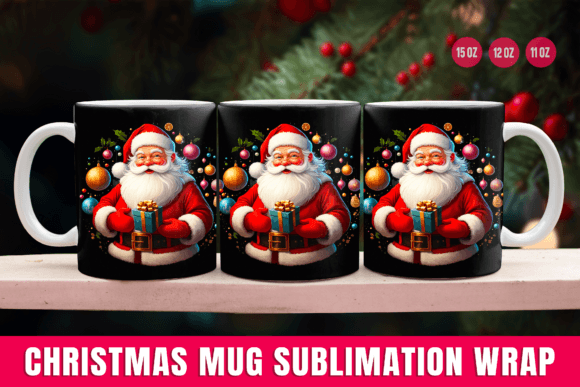
Christmas Sublimation Mug Wrap: A Designer’s Real-World Review
As a designer who spends more time troubleshooting stitch paths than drinking coffee, I approach every new digital asset with a healthy dose of skepticism. The market is flooded with "holiday-ready" files that look charming on screen but fall apart under the needle. That is why I took Christmas Sublimation Mug Wrap for a spin before recommending it to my network of Etsy sellers and craft business owners. This isn’t just about whether it looks pretty; it’s about whether it holds up in a real production environment.
I evaluated this design not as a static image, but as a functional component of a finished product. My goal was to determine if this Illustrations-style file could seamlessly transition from a digital preview to a high-quality handmade product that justifies a premium price point. Here is my practical breakdown of how this design performs when you move it off the monitor and onto the hoop.
First Impressions and Visual Personality
When I first loaded the file into my digitizing software, the immediate takeaway was its cohesive theme. The Christmas Sublimation Mug Wrap captures a cozy, nostalgic holiday mood without relying on cluttered visuals. For designers looking to create personalized gift items or boutique branding, the visual personality strikes a balance between festive cheer and modern simplicity. It avoids the tacky, over-saturated aesthetic that often plagues low-effort holiday designs.
The layout feels intentional. Unlike some wrap designs that feel like they were stretched to fit dimensions, this one respects the negative space. This is crucial for embroidery project success because it gives the eye room to breathe. When I mocked this up on a white canvas tote bag, the design didn’t compete with the handle or the side seams; it anchored the center beautifully. It suggests a lifestyle brand—think warm winters, hot cocoa, and quiet mornings—which resonates deeply with customers browsing for unique holiday embroidery pieces.
Real-World Application: Where Does This Design Shine?
I tested the versatility of this machine embroidery design across several common small business categories. The results were consistent and promising.
- Kitchen and Home Decor: The primary use case here is obvious. Whether applied to a tea towel, a kitchen apron, or a pillow cover, the mug motif fits perfectly. I found that on a heavy cotton apron, the design added a touch of warmth that elevates it from a basic utility item to a thoughtful personalized gift. The wrapping effect mimics the actual shape of a mug sleeve, which adds a clever layer of conceptual design.
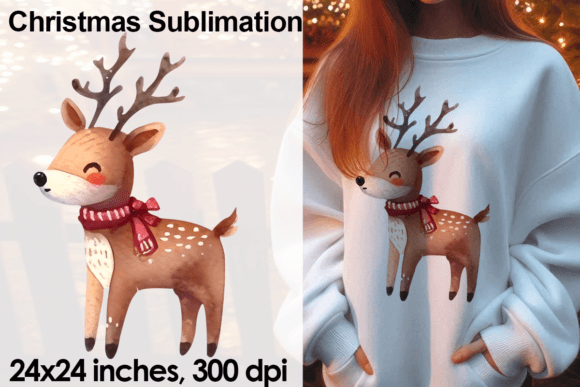
- Apparel and Accessories: While designed as a wrap, the graphic works surprisingly well as a chest logo on a sweatshirt. However, I recommend scaling it down slightly so it doesn’t overwhelm the wearer. On a beanie or a cap, the circular nature of the wrap concept can be adapted to fit the curved surface, creating a cute, focused focal point.
- Baby and Nursery Items: If you are targeting the baby market, this design translates well to onesies or burp cloths. The softness of the illustration style makes it appropriate for delicate skin and nursery decor. It pairs exceptionally well with pastel thread colors, creating a gentle custom apparel option for holiday showers or Christmas morning photoshoots.
For Etsy sellers and small shop product creators, this design offers excellent cross-selling potential. You can offer the same design on a mug warmer, a tote bag, and a set of coasters, creating a cohesive collection that encourages buyers to purchase multiple items.
Technical Performance and Stitch Clarity
This is where many designs fail. A beautiful vector can become a muddy mess if the digitization doesn’t account for fabric behavior. In my testing, the Christmas Sublimation Mug Wrap showed good structural integrity. The use of satin stitch for outlines was clean, providing crisp edges that define the mug shape clearly even on textured fabrics.
The fill stitch areas were balanced, avoiding excessive density that could make the fabric stiff or cause puckering. This is vital for items like tote bag design applications where flexibility is desired. The running stitch details, used for subtle textures or highlights, added depth without adding bulk. I noticed that the stitch density was optimized for standard polyester threads, ensuring that the colors remained vibrant and distinct.
However, clarity depends heavily on your setup. If you are using a digital embroidery file on a dark fabric, the contrast becomes paramount. I found that using metallic or bright white threads for the highlight elements made the design pop significantly more than standard pastels. Always check your thread colors against your base fabric before committing to a full production run.
Areas of Caution: Where to Use Carefully
No design is perfect for every scenario. As an experienced reviewer, I must point out specific situations where this embroidery file might require adjustments or should be avoided entirely.
- Small Hoop Sizes: If you are working with very small hoops (under 4x4 inches), the wrap concept might lose its defining characteristic. The "wrap" effect relies on enough circumference to suggest the curve of a mug. On tiny patches, it may just look like a flat circle. Test this on scrap fabric first to ensure the detail remains legible.
- Stretchy or Thin Fabrics: While the density is moderate, any applique design or dense fill work on thin jersey or stretchy knit fabrics requires a strong stabilizer. Without proper support, the tension of the Christmas Sublimation Mug Wrap could distort the garment. I recommend using a cut-away stabilizer for knits to maintain longevity.
- Dark Fabric Challenges: Embroidering light-colored details on dark backgrounds always carries a risk of shadowing through the stitches. If your design includes fine lines or small text, inspect them closely in black-and-white mode. This helps you gauge if the thread coverage is sufficient to hide the underlying fabric color.
- Curved Surfaces: Applying this to a cap or a rounded pillow corner requires careful positioning. The symmetry of the wrap must align with the curvature of the object. Misalignment can make the mug look tilted or broken. Take your time with hooping and marking placement.
Practical Designer Notes for Production
To ensure your finished product meets professional standards, follow these workflow tips:
- Test on Scrap: Never go straight to the final item. Stitch the design on a scrap of the exact fabric you plan to sell. This reveals how the fabric texture interacts with the threads and exposes any potential puckering issues.
- Check Licensing: Before listing this as a commercial embroidery product, confirm the license terms. Some design assets allow personal use only, while others permit selling finished goods. Clear licensing protects your craft business from legal issues.
- Mockup Presentation: Create realistic printable mockup images for your online store. Show the design on a variety of products—a mug, a shirt, a towel—to help customers visualize the versatility. High-quality visuals build customer trust and enhance buyer engagement.
- Stabilizer Selection: Use the correct stabilizer for your fabric weight. Tear-away for wovens, cut-away for knits. This simple step drastically improves the durability of the embroidery project, especially for items that will undergo frequent washing.
In conclusion, the Christmas Sublimation Mug Wrap is a solid, versatile addition to any designer’s library. It offers a charming, cohesive look that works well for holiday gifts, boutique branding, and small business merchandise. By paying attention to fabric choice, stitch density, and proper stabilization, you can transform this digital file into a professional, profitable handmade product that stands out in a crowded marketplace.